November 5, 2026
How to Choose a Co-op Renovation Contractor in Manhattan
By @mycooprenovationcontractorpath
Renovating a co-op apartment in Manhattan comes with a set of rules that rental or condo owners rarely have to think about. The approval process alone can take months, and the building's board holds real power over what you can change. This is where experience matters. A co-op renovation contractor who knows the local landscape can save you time, money, and a lot of frustration.
The first thing to understand is that a co-op is not like a condo. In a co-op, you own shares in a corporation that owns the building. That corporation, run by the co-op board, sets strict guidelines for any construction work. Before you even order a single tile, the board will want to see your plans, your contractor's insurance certificates, and often a completed alteration agreement. This legal document outlines exactly what work is allowed, what hours workers can be on site, and how debris must be handled. A contractor who has done this before will know how to prepare the paperwork and how to answer the board's questions before they become deal-breakers.
The Role of the New York City Department of Buildings
Even with board approval, many renovations require a DOB permit. The New York City Department of Buildings oversees all structural, electrical, and plumbing work that could affect the building's safety. If you are moving walls, changing the floor plan, or upgrading the electrical panel, you will likely need a permit. A general contractor who is not familiar with the DOB's filing system can cause delays. Worse, doing work without the required permit can lead to stop-work orders, fines, and even legal trouble when you try to sell the apartment later.
Some co-op boards will not allow any work to begin until the contractor has submitted a complete permit application. This is especially true in pre-war buildings, where the original construction materials and methods require extra care. Pre-war buildings often have plaster walls, cast-iron pipes, and outdated wiring that must be handled with expertise. A contractor with in-house trades can coordinate the plumbing and electrical work more smoothly than someone who subcontracts every trade to a different crew. When the plumber and the electrician are part of the same team, scheduling conflicts are fewer, and the quality of the work tends to be higher because everyone is accountable to the same foreman.

Why a Full-Service Contractor Matters
Many people start a kitchen renovation or a bathroom renovation by hiring separate companies for design, demolition, and installation. That approach can work, but it adds complexity. The designer might specify a countertop that requires a certain type of cabinet support, which the cabinet installer did not account for. A structural wall might need to stay, forcing a change in the floor plan mid-project. These issues are easier to resolve when one general contractor oversees everything from the first framing nail to the final lighting fixtures.
A co-op renovation contractor who handles full-home renovations will also understand how to work within the space constraints typical of Manhattan apartments. Elevator scheduling, debris removal, and noise restrictions are all part of the daily reality. A contractor who has renovated dozens of co-ops will know which floor plans are feasible and which are not. They will also have relationships with the co-op board's managing agent, which can speed up the approval process.
What to Look for in a Contractor
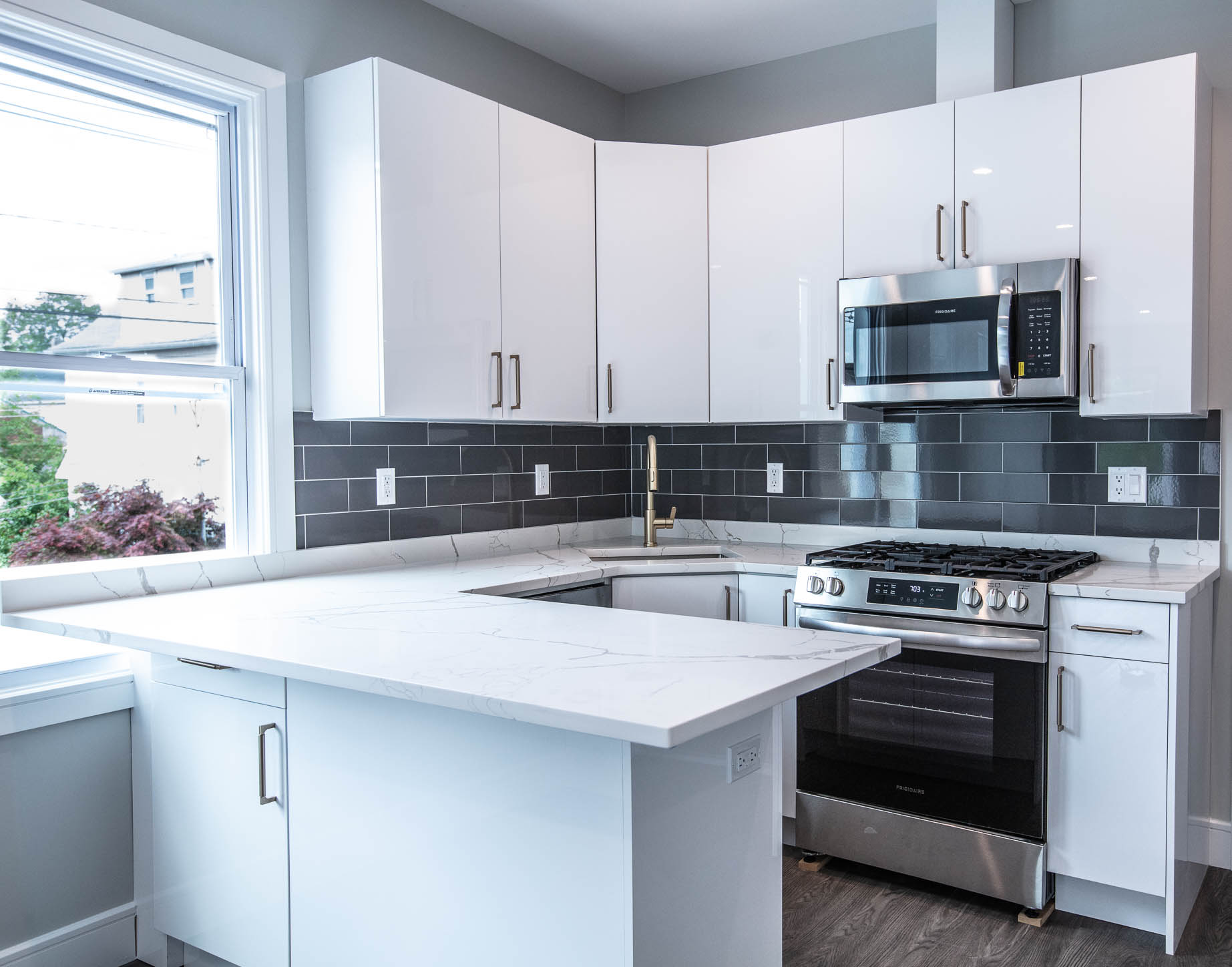
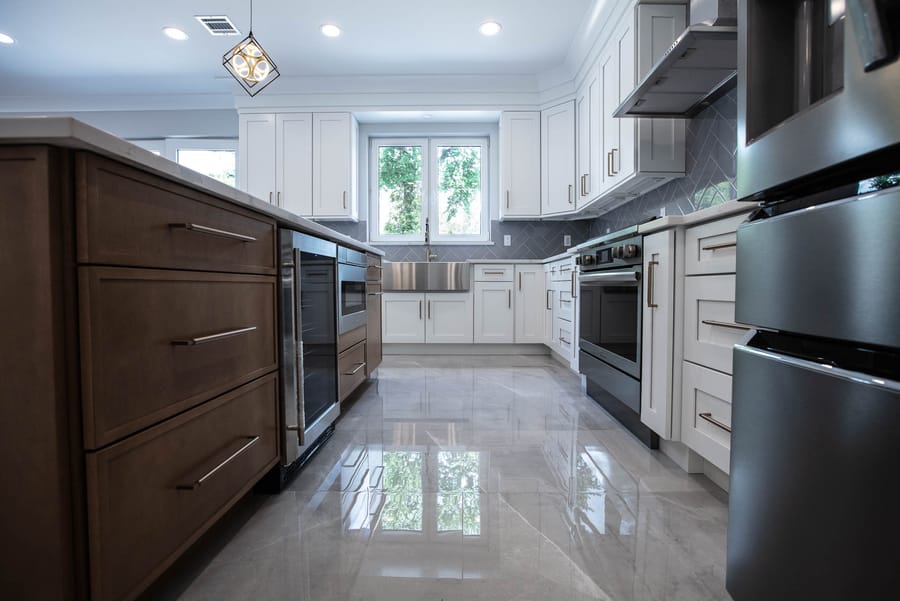
When you interview contractors, ask specific questions about their experience with co-ops. Have they worked in your building before? Do they know how to file for a DOB permit? Can they provide references from recent kitchen renovation or bathroom renovation projects in similar buildings? You want someone who can show you examples of custom cabinetry, countertops, and lighting fixtures that were installed in occupied apartments without disturbing the neighbors.
Another key point is insurance. Co-op boards typically require the contractor to carry general liability insurance and workers' compensation insurance. The contractor must name the co-op as an additional insured on the policy. If a contractor hesitates to provide these documents, that is a red flag. The alteration agreement will spell out the exact requirements, so ask to see a sample of how they handle it.
Interior Design and the Contractor Relationship
Many owners hire an interior designer to plan the look of the space. That is fine, but the designer and the contractor need to communicate well. The designer might choose a specific tile that takes weeks to order, which can throw off the construction schedule if the contractor does not know about it in advance. A good contractor will coordinate with the designer to make sure the materials arrive on time. Some contractors even offer in-house design services, which can streamline the process because the same team handles both the aesthetic decisions and the construction.
In a condo or townhouse, you have more freedom to change the layout. In a co-op, the board may restrict changes to the building's exterior walls, the plumbing risers, or the electrical mains. A contractor who specializes in co-op work will know which walls are almost certainly load-bearing and which ones can be moved. They will also know how to work with the building's super to shut off water or power for the hours needed to make a connection.
Planning Your Timeline
A full-home renovation in a Manhattan co-op can take anywhere from a few weeks for a small bathroom to several months for a complete gut renovation. The approval process itself can take four to eight weeks, depending on how often the co-op board meets and how complete your application is. A contractor who has done this before will help you prepare a realistic schedule. They will also build in some buffer time for the unexpected, like a hidden pipe leak or a delay in the delivery of custom cabinetry.
You can avoid many of these headaches by choosing a co-op renovation contractor early in your planning process. Even before you sign a contract, a good contractor will walk through the apartment with you, point out potential issues, and give you a rough sense of what is possible. They will also explain the co-op board's rules in plain language, so you know what to expect when you submit your alteration agreement.
Final Thoughts
Renovating a co-op apartment in Manhattan is not the same as renovating a house in the suburbs. The extra layer of bureaucracy, the physical constraints of pre-war construction, and the need to coordinate with the co-op board all make the job more complex. But with the right contractor, these challenges are manageable. Look for a contractor who has a track record with co-ops, who keeps in-house trades, and who can handle the DOB permit process without drama. The time you spend vetting contractors upfront will pay off in fewer surprises and a smoother renovation experience.
❧